770-664-1999


The first dental visit by age one can give your child an early start toward a healthy smile. At Crabapple Pediatric Dentistry & Orthodontics in Alpharetta, parents can introduce their little ones to dental care in a friendly, child-focused environment while learning how to protect developing teeth at home.
Many parents wonder if a dental appointment is really necessary when their baby has only a few teeth. It is. Early dental care involves much more than checking for cavities. It helps parents understand how to clean those first teeth, manage habits, protect enamel, and recognize possible concerns before they become bigger problems.
Starting early can also help your child become familiar with the dental setting. Instead of waiting until a problem causes pain, parents can make oral health a normal part of childhood.
Why Should a Child See a Dentist by Age One?
The American Academy of Pediatric Dentistry recommends establishing a dental home by the first birthday or within six months of the first tooth appearing. This timing gives a dental professional an opportunity to assess your baby’s developing mouth and provide parents with practical guidance.
At Crabapple Pediatric Dentistry & Orthodontics, an Alpharetta pediatric dentist such as Dr. Allison Petty can help parents understand how to care for a young child’s developing smile. Dr. Petty is a board-certified pediatric dentist known for her gentle approach and focus on creating positive experiences for children.
An early appointment can help you:
- Learn the right way to clean your baby’s teeth
- Understand how much fluoride toothpaste to use
- Discuss feeding and drinking habits
- Identify early signs of tooth decay
- Ask questions about thumb sucking or pacifier use
- Learn how to handle teething discomfort
- Establish a regular dental care routine
Most importantly, the appointment gives parents a chance to build a relationship with their child’s dental team.
What Happens During the First Appointment?
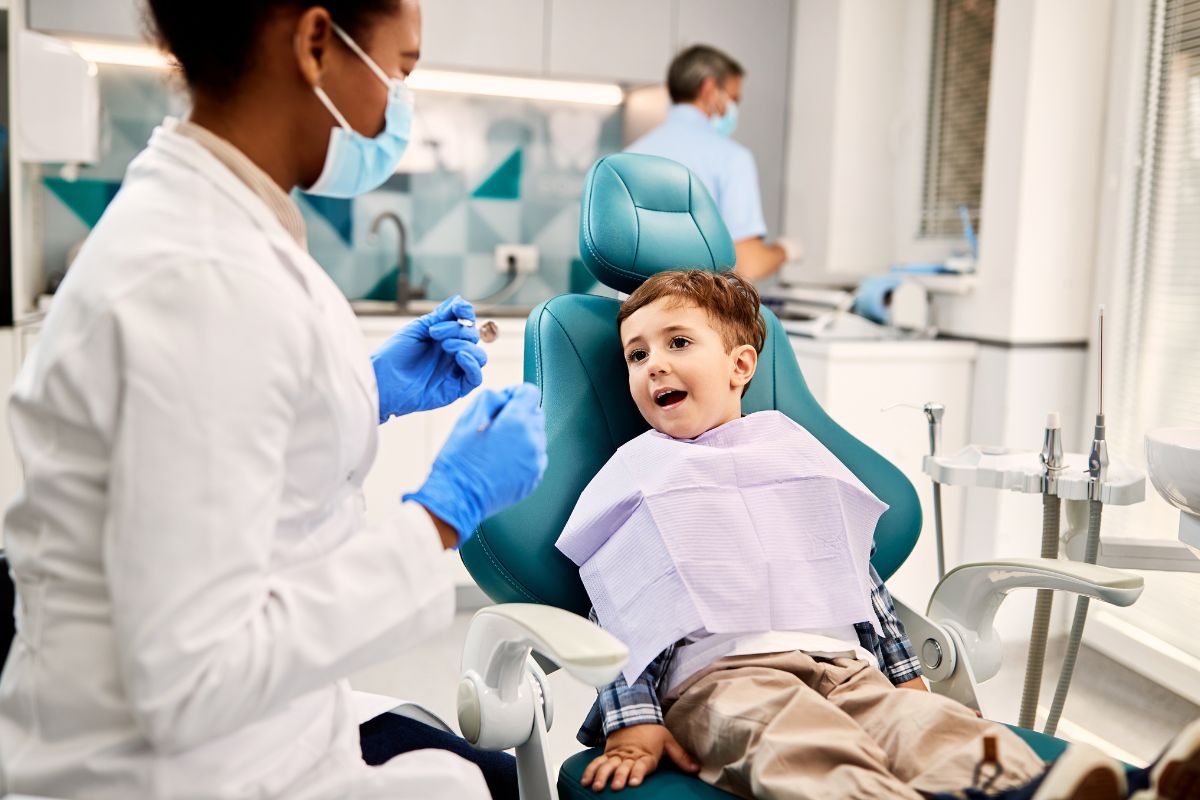
Parents sometimes imagine that a baby’s appointment will involve complicated procedures. In most cases, however, the experience focuses on comfort, education, and a gentle examination.
The dental team may:
- Talk with you about your child’s health history
- Examine the mouth, gums, and developing teeth
- Check for early signs of decay
- Look at how the teeth are developing
- Discuss brushing and oral hygiene
- Answer questions about feeding habits
- Review fluoride use
- Talk about pacifiers and thumb sucking
- Explain what to expect as more teeth emerge
Crabapple Pediatric Dentistry & Orthodontics explains that early appointments focus on helping children feel comfortable while the team examines the teeth and gums and gives parents information about ongoing care.
Your Baby May Have Only a Few Teeth
One common reason parents delay an appointment is the belief that a baby needs a full set of teeth before seeing a dentist.
That is not the case.
Even one tooth deserves proper care. As soon as teeth begin appearing, parents should start establishing healthy cleaning habits.
Baby teeth may eventually fall out, but they still serve important purposes. They help children chew, support speech development, and maintain space for permanent teeth.
Early care can help protect these teeth during the years when your child depends on them.
Why Baby Teeth Need Protection
Primary teeth have thinner enamel than adult teeth, which can make them more vulnerable to decay.
Cavities in young children can cause:
- Tooth pain
- Difficulty eating
- Trouble sleeping
- Irritability
- Problems with normal daily activities
- Infection in severe cases
A cavity may also progress quickly in a young child’s mouth.
Therefore, parents should not wait for visible damage or discomfort before seeking professional advice.
How Parents Should Clean a Baby’s Teeth
Once the first tooth appears, parents can begin brushing it twice a day.
For children younger than three, the American Dental Association recommends using a smear or rice-grain-sized amount of fluoride toothpaste.
Keep Brushing Simple
You can make the routine easier by:
- Using a small, soft-bristled toothbrush
- Brushing gently along the gumline
- Cleaning both the front and back surfaces
- Brushing in the morning and before bed
- Supervising the process
- Making brushing part of the same daily routine
Young children cannot clean their mouths effectively on their own, so parents should handle or closely supervise brushing.
The Role of Fluoride
Fluoride helps strengthen enamel and makes teeth more resistant to acid attacks caused by bacteria.
Parents often have questions about whether their baby needs fluoride toothpaste. The appropriate amount depends on age and individual circumstances, so discussing fluoride with your child’s dental professional can help you make an informed choice.
Your child’s dentist may also discuss fluoride exposure from drinking water and other sources.
The goal is to provide enough protection without unnecessary exposure.
Feeding Habits Can Affect Oral Health
What your baby drinks and how often they consume sugary liquids can influence oral health.
Frequent exposure to sugar gives harmful bacteria more opportunities to produce acids that attack enamel.
Parents should be especially careful about putting babies to bed with bottles containing milk, formula, juice, or other sweetened liquids.
Better Habits Include:
- Offering water when appropriate
- Avoiding frequent sugary drinks
- Cleaning teeth before bedtime
- Following recommended feeding practices
- Asking the dental team about bottle and cup habits
Small changes can make a major difference over time.
Why Bedtime Bottles Can Be a Concern
A baby who falls asleep with a bottle may remain exposed to liquid around the teeth for an extended period.
If the bottle contains milk, formula, juice, or another carbohydrate-containing drink, bacteria can use those sugars and produce acids.
This can increase the risk of early childhood cavities.
Parents should discuss bedtime feeding habits with their pediatric dentist, especially if their child regularly falls asleep while drinking from a bottle.
What About Pacifiers and Thumb Sucking?
Pacifiers and thumb sucking often provide comfort to babies and young children.
However, prolonged habits can sometimes affect the developing mouth and bite.
That does not mean parents need to panic if their baby uses a pacifier or sucks their thumb.
Instead, discuss the habit during regular appointments.
The dental team can monitor how the child’s teeth and jaws develop and advise parents if the habit continues beyond an age when it may begin affecting oral development.
Teething Does Not Mean You Should Skip Dental Care
Teething can make babies uncomfortable. Parents may notice:
- Increased drooling
- A desire to chew
- Tender gums
- Fussiness
- Changes in sleep
- A tooth beginning to appear
These changes are common, but parents should still maintain oral hygiene.
A clean, soft toothbrush can help introduce your child to the daily brushing routine while keeping the mouth clean.
If your child experiences unusual symptoms or significant discomfort, talk with a dental or medical professional.
An Early Visit Can Help Prevent Dental Anxiety
A child’s first experience with a dentist can shape how they feel about future appointments.
If a child only visits a dentist after developing severe pain, they may associate dental care with fear or discomfort.
An early, positive experience can create a different association.
At Crabapple Pediatric Dentistry & Orthodontics, the team emphasizes a welcoming environment, child-friendly communication, and gentle care. The practice aims to make dental experiences positive and stress-free for young patients.
Parents Can Help Too
Before the appointment:
- Stay calm and positive
- Use simple, age-appropriate language
- Avoid scary words
- Do not describe dental treatment as painful
- Let the dental team explain procedures
- Bring a familiar comfort item if appropriate
- Avoid sharing your own negative dental experiences
Your child often takes emotional cues from you.
What Parents Should Tell the Dentist
Your child’s dental team needs to understand more than what is happening inside the mouth.
Before or during the appointment, share relevant information about:
- Medical history
- Medications
- Allergies
- Feeding habits
- Bottle use
- Pacifier use
- Thumb sucking
- Previous dental concerns
- Any unusual symptoms
This information can help the dental professional provide care that fits your child’s needs.
Questions Parents Should Ask
The first appointment gives you an excellent opportunity to ask questions.
Consider asking:
About Daily Care
- How should I brush my baby’s teeth?
- How much toothpaste should I use?
- Should I floss between my child’s teeth?
- What should I do if my child refuses to brush?
About Nutrition
- Which drinks are best for my child’s teeth?
- Should my child avoid certain snacks?
- How often should my child drink water?
- What should I know about nighttime feeding?
About Development
- Are my child’s teeth developing normally?
- When should I expect additional teeth?
- Is my child’s pacifier habit a concern?
- When should I start worrying about thumb sucking?
There are no silly questions when it comes to your child’s health.
How Often Should Young Children See a Dentist?
The exact schedule depends on your child’s oral health, risk factors, and dental needs.
After the initial appointment, your dental professional can recommend an appropriate follow-up schedule.
Regular appointments allow the team to monitor changes over time rather than looking at your child’s mouth only when something goes wrong.
At each appointment, your child’s dental team can monitor:
- New teeth
- Existing teeth
- Gum health
- Oral hygiene
- Tooth development
- Bite development
- Habits
- Signs of decay
Regular monitoring makes it easier to notice changes early.
What If My Baby Has a Tooth Problem Before Age One?
Do not wait for the next routine appointment if you notice something that concerns you.
Contact your child’s dental team if you see:
- White or brown spots on a tooth
- Visible cavities
- Swollen gums
- Unusual bleeding
- Persistent mouth discomfort
- A damaged tooth
- A tooth that looks unusually shaped
- Signs of infection
Early attention can help determine what is happening and what steps may help.
Why Early Dental Care Supports Long-Term Health
The purpose of early dental care goes beyond protecting a few baby teeth.
It helps establish habits that your child can carry into later childhood and adulthood.
A child who learns to brush regularly, drink water, limit frequent sugary snacks, and attend dental appointments develops a foundation for lifelong oral health.
Parents also become more confident in making decisions about brushing, nutrition, fluoride, and oral habits.
That combination can make future dental care easier.
Why Choosing a Pediatric Dentist Can Help
Children have different dental needs at different stages of development.
A pediatric dentist receives specialized training focused on caring for infants, children, and adolescents. A child-focused practice also considers the emotional side of dental care.
For example, young children may have trouble sitting still, explaining discomfort, or understanding why someone needs to examine their mouth.
A pediatric-focused team can adapt communication and care to the child’s age and comfort level.
Dr. Allison Petty is a board-certified pediatric dentist at Crabapple Pediatric Dentistry & Orthodontics. Her practice profile highlights her focus on positive experiences for children, gentle care, and helping young patients maintain healthy smiles as they grow.
Preparing for Your Baby’s First Appointment
A little preparation can make the experience easier for both you and your child.
Before the Appointment
You can:
- Complete new patient forms ahead of time when available
- Make a list of questions
- Bring information about medications and allergies
- Note any feeding or oral habits
- Bring a comfort item if needed
- Give yourself enough time to arrive without rushing
Crabapple Pediatric Dentistry & Orthodontics provides online new patient forms, including health history information, to help families prepare before an appointment.
On Appointment Day
Keep your attitude positive.
You do not need to give your child a long explanation about everything that might happen. Instead, allow the dental team to introduce the environment and explain the process in a child-friendly way.
The goal is to help your child feel safe and comfortable.
Building a Dental Home Early
A dental home gives families a consistent place to receive guidance as their child grows.
Rather than searching for help every time a concern appears, parents can develop an ongoing relationship with a dental team familiar with their child’s history.
This relationship can support:
- Preventive care
- Oral hygiene education
- Early detection
- Fluoride guidance
- Habit monitoring
- Developmental assessments
- Age-appropriate treatment
The practice in Alpharetta describes its approach as gentle and personalized, with a focus on helping children feel comfortable and cared for throughout their dental experience.
Final Thoughts on the First Dental Visit by Age One
The first dental visit by age one gives parents an opportunity to start protecting their child’s smile before problems develop. It also creates a chance to learn about brushing, fluoride, nutrition, feeding habits, pacifiers, thumb sucking, and normal dental development.
Your baby may only have a few teeth, but those teeth still deserve proper care. Early appointments can help parents recognize concerns, build healthy habits, and make dental care feel like a normal part of growing up.
At Crabapple Pediatric Dentistry & Orthodontics, Dr. Allison Petty provides pediatric dental care with a gentle, child-focused approach, while the practice’s broader team supports families as children grow and their dental needs change.
If your child is approaching their first birthday or has recently developed their first tooth, schedule your appointment at Crabapple Pediatric Dentistry & Orthodontics to start building a strong foundation for their oral health.