770-664-1999

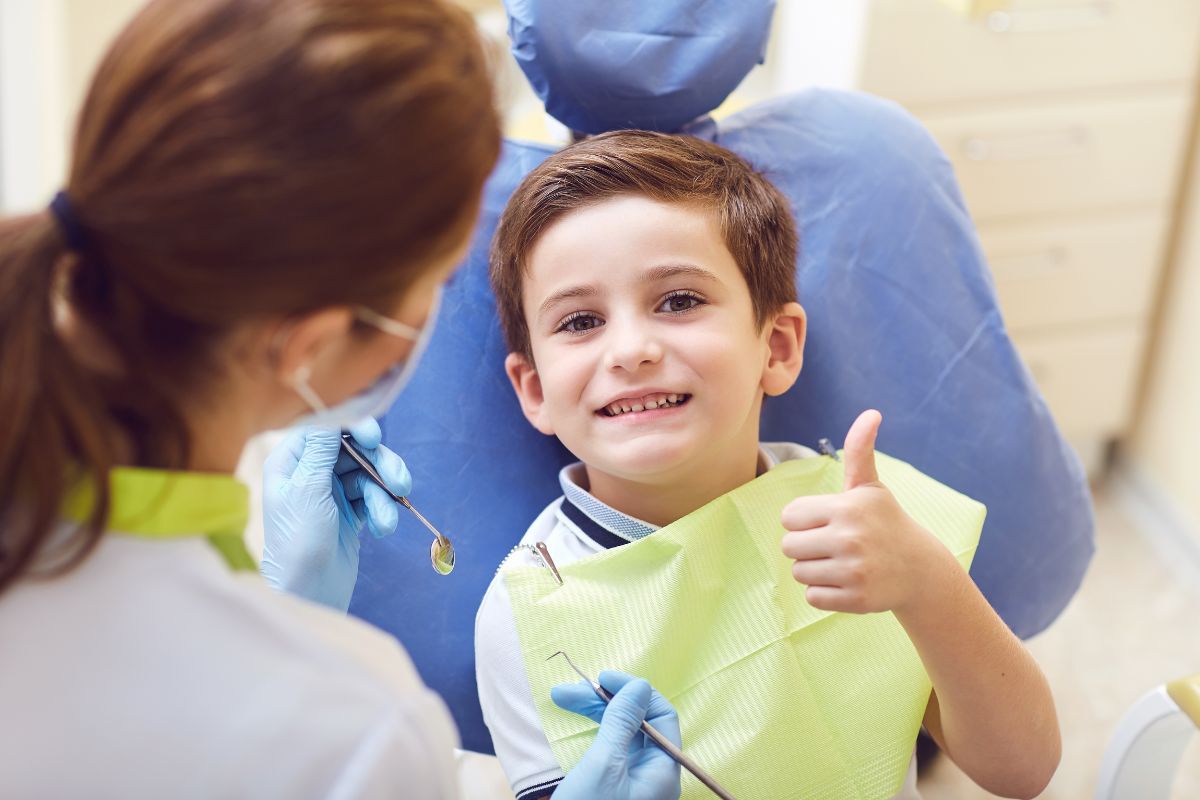
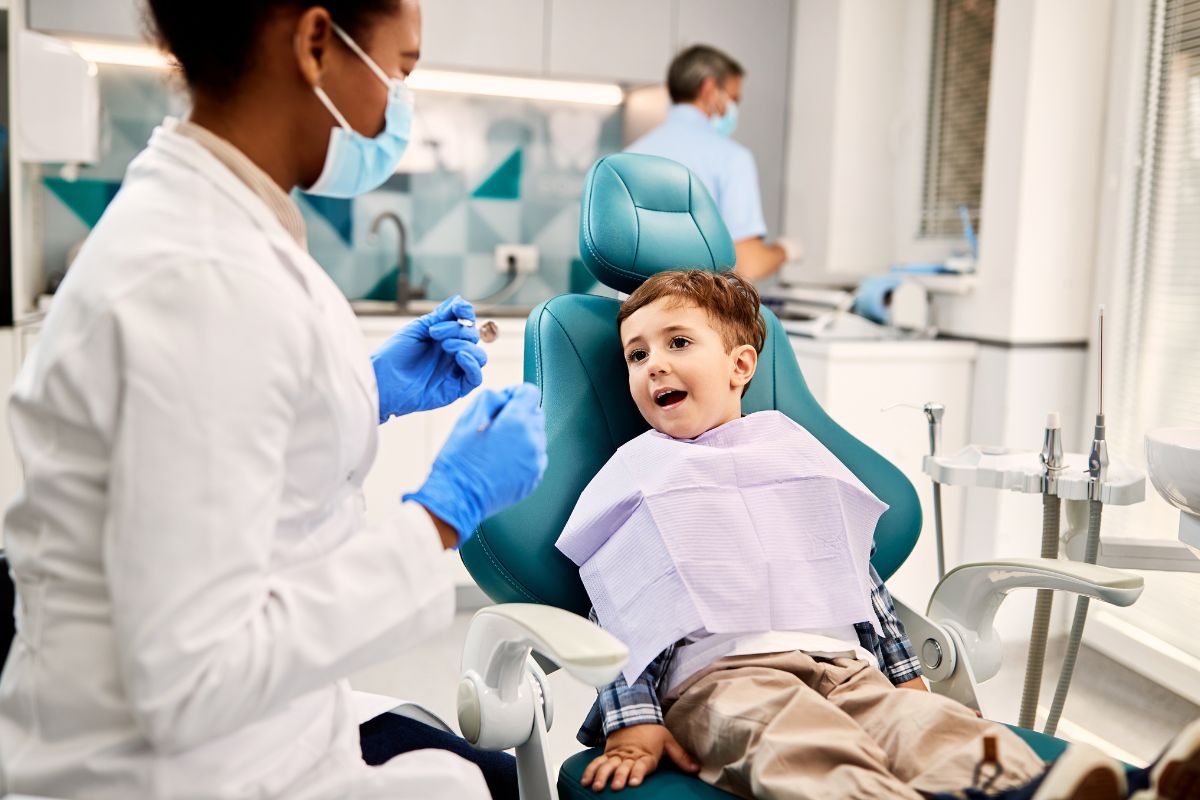
Making dental visits less scary for kids is one of the best ways to build healthy habits that last a lifetime. When children feel comfortable at the dentist, they are more likely to develop positive attitudes toward oral care and keep up with regular checkups as they grow. Families looking for compassionate care often choose Crabapple Pediatric Dentistry & Orthodontics in Alpharetta because the practice focuses on creating a welcoming environment where children can feel safe, relaxed, and confident during every appointment.
Many children feel nervous before seeing the dentist. New sounds, unfamiliar tools, and fear of the unknown can make even a routine appointment seem overwhelming. Fortunately, parents play a major role in shaping their child’s experience. With the right preparation and support, you can help your child feel calm before, during, and after every appointment.
Why Some Children Feel Nervous About the Dentist
Fear of the dentist is common among young children. Understanding what causes that fear is the first step toward helping them overcome it.
Some common reasons include:
- Fear of pain
- Unfamiliar surroundings
- Loud dental equipment
- Previous negative experiences
- Anxiety passed on from parents
- Worry about meeting new people
Many of these concerns disappear when children have positive early experiences.
Why Positive Dental Experiences Matter
Early experiences often shape how children feel about oral health throughout their lives. A child who enjoys their first few appointments is more likely to continue seeking preventive care as an adult.
Positive experiences can help children:
- Build trust with their dental team
- Develop healthy oral hygiene habits
- Feel confident during future appointments
- Reduce anxiety over time
- Prevent avoidable dental problems through regular care
If you are searching for ways to make dental visits less scary for kids in Alpharetta, talking with a trusted pediatric dentist at Crabapple Pediatric Dentistry & Orthodontics can make a meaningful difference. The practice provides pediatric dentistry, orthodontics, and a child-friendly environment designed to help young patients feel comfortable while supporting healthy smiles through every stage of development.
Start Talking About the Dentist Early
Children often fear things they do not understand. Talking about the dentist before the appointment helps remove uncertainty.
Keep the conversation simple and positive.
For example, you can explain that the dentist will:
- Count their teeth
- Check that their smile is healthy
- Show them how to brush better
- Help keep their teeth strong
Avoid making the appointment sound frightening or overly serious.
Choose Positive Words
The language parents use has a powerful influence on children’s emotions.
Instead of saying:
- “It won’t hurt.”
- “Don’t be scared.”
- “The dentist won’t give you a shot.”
Try saying:
- “The dentist will count your teeth.”
- “You’ll meet friendly people.”
- “We’re going to help your smile stay healthy.”
- “You’ll get to sit in a cool chair.”
Positive wording creates positive expectations.
Read Books or Watch Kid-Friendly Videos
Children often feel more comfortable when they know what to expect.
Before the appointment, consider:
- Reading children’s books about going to the dentist
- Watching educational cartoons
- Playing pretend dentist at home
- Letting your child practice opening their mouth
These activities make the experience feel familiar rather than intimidating.
Schedule Appointments at the Right Time
Timing matters more than many parents realize.
Choose appointments when your child is:
- Well rested
- Not hungry
- Usually in a good mood
- Less likely to feel rushed
Avoid scheduling during nap time or after a long day at school whenever possible.
Stay Calm Yourself
Children pay close attention to their parents’ emotions.
If you appear anxious, your child may believe there is something to fear.
Instead:
- Smile naturally.
- Speak calmly.
- Stay encouraging.
- Show confidence.
Your relaxed attitude often becomes your child’s attitude.
Let the Dental Team Lead
Pediatric dental professionals know how to communicate with children in age-appropriate ways.
Allow the dental team to:
- Explain each step
- Introduce instruments gradually
- Build trust with your child
- Answer questions directly
Children often respond well when they feel included in the conversation.
Praise Brave Behavior
Positive reinforcement builds confidence.
Praise your child for:
- Sitting in the chair
- Opening their mouth
- Listening carefully
- Staying calm
- Asking questions
Small achievements deserve recognition because they encourage future success.
Bring a Comfort Item
A familiar object can help children feel secure during an appointment.
Many children feel better with:
- A favorite stuffed animal
- A small blanket
- A comfort toy
- A familiar book
These items provide emotional reassurance throughout the appointment.
Avoid Using the Dentist as a Threat
Sometimes parents unintentionally create fear by saying things like:
“If you don’t brush, the dentist will be upset.”
Although these comments may seem harmless, they can increase anxiety.
Instead, explain that dentists help children keep their smiles healthy and strong.
Make Oral Care Fun at Home
Positive dental routines at home help children connect oral care with enjoyable experiences.
Ideas include:
- Playing music while brushing
- Using colorful toothbrushes
- Choosing fun toothpaste flavors approved by your dentist
- Creating brushing charts
- Celebrating healthy habits
Children who enjoy brushing often feel more confident during appointments.
Know What Happens During a Pediatric Dental Appointment
When children understand what to expect, uncertainty becomes less stressful.
A routine appointment may include:
A Friendly Greeting
The dental team welcomes your child and helps them feel comfortable.
A Gentle Examination
The dentist checks:
- Teeth
- Gums
- Bite
- Oral development
Professional Cleaning
If appropriate, the hygienist removes plaque and polishes the teeth gently.
Preventive Care
Depending on your child’s needs, the dentist may recommend:
- Fluoride treatment
- Dental sealants
- Oral hygiene education
- Growth monitoring
Everything is explained in child-friendly language throughout the appointment.
Signs Your Child May Need Extra Support
Some children experience stronger dental anxiety than others.
You may notice:
- Crying before appointments
- Trouble sleeping the night before
- Complaints of stomachaches
- Refusing to enter the office
- Extreme fear of dental equipment
If these behaviors continue, discuss them with your pediatric dentist. Many child-focused practices offer gentle behavior guidance techniques that help children feel more comfortable over time.
Frequently Asked Questions
At what age should my child first see a dentist?
Most dental professionals recommend scheduling the first appointment by your child’s first birthday or within six months after the first tooth appears.
Should I stay with my child during the appointment?
Many younger children feel more comfortable when a parent stays nearby. Your pediatric dentist will recommend the best approach based on your child’s age and comfort level.
What if my child cries?
Crying is common, especially during first appointments. Experienced pediatric dental teams understand this and know how to help children gradually relax.
How often should children have checkups?
Most children benefit from dental examinations every six months, although your dentist may recommend a different schedule based on your child’s oral health.
Helping your child feel comfortable at the dentist starts long before the appointment. Positive conversations, calm encouragement, familiar routines, and regular preventive care all contribute to a lifetime of healthy smiles. Every child deserves compassionate dental care in an environment where they feel respected, understood, and supported. If you are ready to help your child build confidence during dental appointments, schedule an appointment with Crabapple Pediatric Dentistry & Orthodontics in Alpharetta or visit our dental office for personalized pediatric dental care that puts your child’s comfort first.