770-664-1999


Thumb sucking is one of the most common habits in young children, and many parents wonder when it becomes a concern. While thumb sucking often starts in infancy and usually fades on its own, the habit can affect oral development if it continues for too long. Understanding when to take action helps you protect your child’s healthy smile without creating unnecessary stress.
For many families, this habit feels confusing because every child develops differently. Some children stop naturally before preschool, while others continue into their school years. If you have questions about your child’s oral development, Crabapple Pediatric Dentistry & Orthodontics in Alpharetta provides comprehensive pediatric dental care and orthodontic services designed to support growing smiles with a gentle, child-friendly approach.
Why Do Children Suck Their Thumbs?
Babies are born with a natural sucking reflex. This instinct helps them feed, feel secure, and calm themselves. As a result, many infants begin thumb sucking long before they can crawl or walk.
Children may continue the habit because it helps them:
- Feel safe during stressful situations
- Relax before bedtime
- Fall asleep more easily
- Manage boredom
- Cope with unfamiliar environments
In most cases, this behavior is completely normal during infancy and the toddler years.
When Is Thumb Sucking Considered Normal?
Parents often worry sooner than necessary. Fortunately, most children stop on their own between the ages of 2 and 4.
Dental experts generally agree that occasional thumb sucking during the early years rarely causes permanent problems. However, the situation changes if the habit continues after permanent teeth begin to develop.
Age Guidelines Parents Should Know
Birth to 2 Years
At this stage, the habit is usually harmless. There is rarely a need for intervention unless the child develops skin irritation or infections around the thumb.
Ages 2 to 4
Many children naturally lose interest during these years. Gentle encouragement works much better than punishment.
After Age 4
Parents should begin paying closer attention. Although some children still stop without help, prolonged thumb sucking may start influencing jaw growth and tooth alignment.
After learning these age milestones, many parents choose to speak with a pediatric dentist about healthy oral development. Families in Alpharetta often trust Crabapple Pediatric Dentistry & Orthodontics for personalized guidance because every child’s smile develops differently, and early monitoring can prevent larger orthodontic concerns later.
When Should Parents Start to Worry?
Not every child who sucks their thumb develops dental problems. The biggest concern depends on how often, how long, and how forcefully the child sucks.
You should schedule an evaluation if you notice:
- The habit continues after age 4 or 5.
- Permanent teeth have started to erupt.
- The front teeth begin moving forward.
- Your child develops speech difficulties.
- The roof of the mouth appears narrow.
- The thumb becomes sore, cracked, or infected.
- The child cannot stop despite repeated attempts.
Early evaluation allows dental professionals to monitor development before major problems appear.
How Thumb Sucking Can Affect Oral Health
The effects depend largely on the intensity of the habit. A child who gently rests a thumb in the mouth faces fewer risks than one who applies strong pressure for extended periods.
Changes in Tooth Alignment
Long-term thumb sucking may cause:
- Front teeth to move outward
- Upper and lower teeth to stop meeting properly
- Bite problems
- Crowded teeth
These changes can increase the need for orthodontic treatment later.
Jaw Development
Growing bones respond to repeated pressure. Over time, persistent thumb sucking may influence:
- Upper jaw growth
- Lower jaw position
- Overall facial development
- Space available for permanent teeth
The earlier these concerns are identified, the easier they often are to manage.
Speech Development
Some children who continue the habit develop speech challenges involving sounds such as:
- S
- Z
- T
- D
Although many children improve naturally, dental evaluation can determine whether oral development contributes to these difficulties.
Signs That Your Child Needs Professional Guidance
Many parents ask whether they should simply wait or seek help.
Professional evaluation makes sense when:
- Your child feels embarrassed about the habit.
- Teachers mention the behavior frequently.
- Teeth appear noticeably different.
- Your child experiences jaw discomfort.
- The habit continues every day after preschool.
- Family efforts have not worked.
An experienced pediatric dental team can identify whether the habit has begun affecting oral development.
Gentle Ways to Help Your Child Stop
Breaking habits takes patience. Children usually respond better to encouragement than criticism.
Offer Positive Reinforcement
Celebrate small successes instead of focusing on setbacks.
Examples include:
- Sticker charts
- Small rewards
- Verbal praise
- Special family activities
Positive experiences build confidence.
Identify Triggers
Many children suck their thumbs when they feel tired, anxious, or bored.
Ask yourself:
- Does it happen before bedtime?
- Does it happen during television time?
- Does it happen after stressful events?
Once you identify the trigger, you can introduce healthier coping strategies.
Provide Comfort in Other Ways
Instead of focusing only on stopping the habit, help your child feel secure.
Helpful alternatives include:
- Reading together
- Holding a favorite stuffed animal
- Deep breathing exercises
- Quiet bedtime routines
These comforting habits often replace the need for thumb sucking.
Avoid Punishment
Negative comments may increase stress, which can actually strengthen the habit.
Instead:
- Stay calm.
- Offer encouragement.
- Focus on progress.
- Be consistent.
Children respond much better to support than criticism.
How Pediatric Dentists Can Help
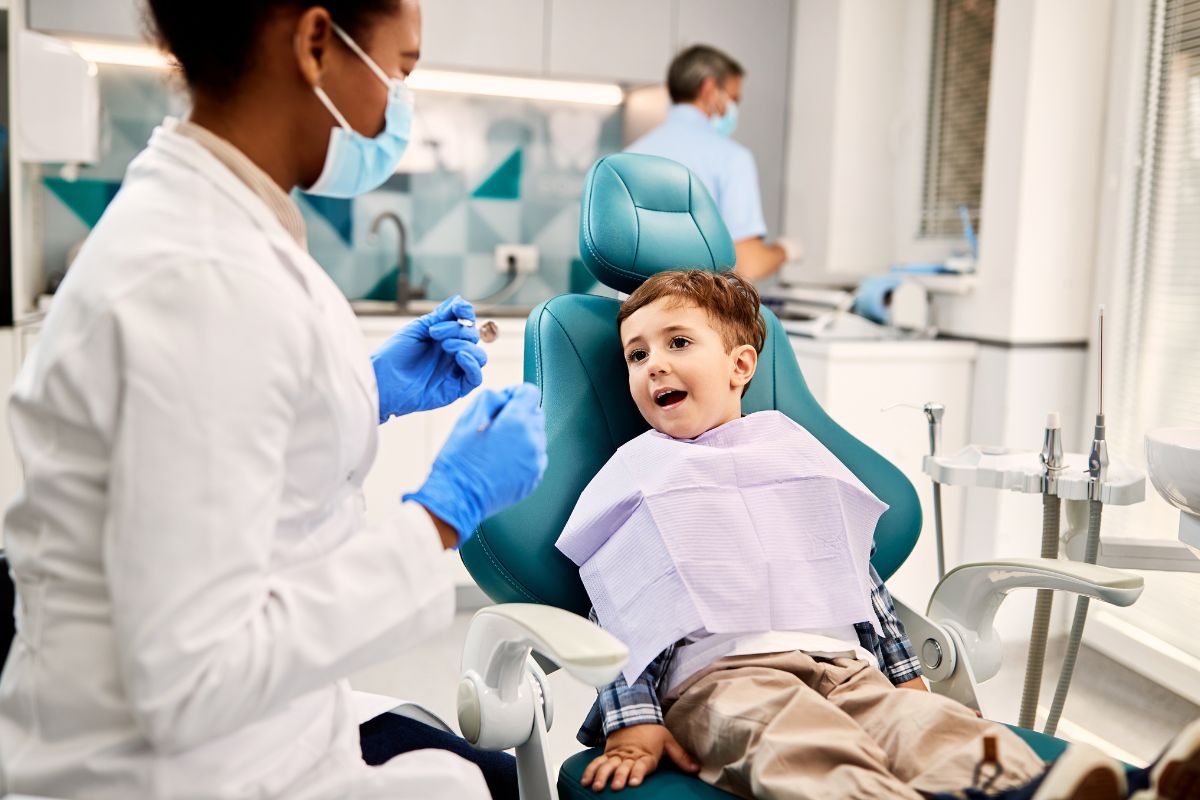
Regular dental checkups allow professionals to monitor your child’s oral development throughout every growth stage.
A pediatric dentist can:
- Evaluate tooth alignment
- Monitor jaw development
- Recommend age-appropriate strategies
- Explain whether orthodontic care may become necessary
- Reassure parents when the habit remains within a normal range
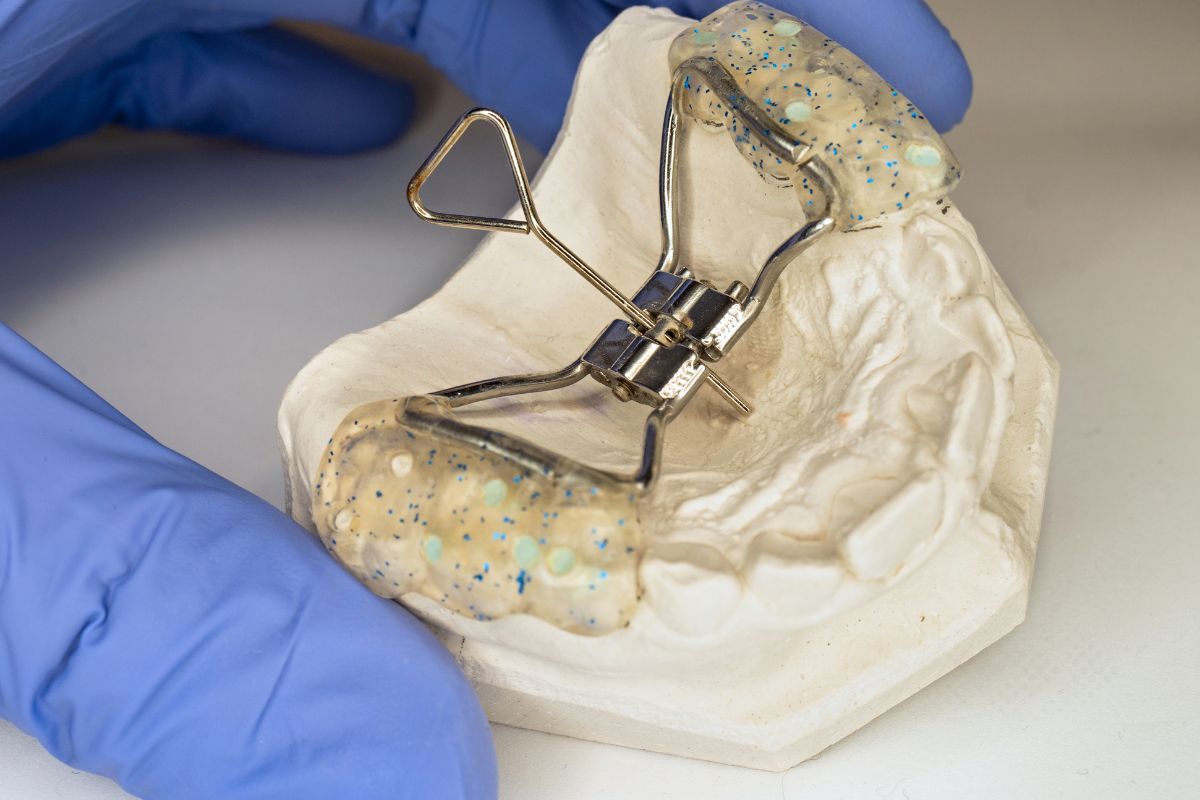
If needed, your child’s dentist may recommend habit-breaking appliances only after conservative methods have been tried and when they are developmentally appropriate.
Frequently Asked Questions
Will every child who sucks a thumb need braces?
No. Many children stop early enough to avoid lasting dental changes. The risk depends on the child’s age, frequency of the habit, and the amount of pressure applied.
Is using a pacifier better?
Both habits can affect oral development if they continue for too long. However, many parents find pacifiers easier to remove because they can control access.
Should I remind my child constantly?
Frequent reminders may create frustration. Gentle encouragement combined with positive reinforcement usually produces better results.
Can the habit stop naturally?
Yes. Most children stop without treatment before dental problems develop. Even so, regular dental examinations help confirm that oral development remains on track.
Most children outgrow thumb habits naturally, so there is usually no reason to panic. However, if the habit continues beyond the preschool years or you notice changes in your child’s teeth or bite, early guidance can make a meaningful difference. Monitoring growth, encouraging healthy habits, and seeking professional advice at the right time can help protect your child’s smile for years to come. If you have concerns about your child’s oral development, Crabapple Pediatric Dentistry & Orthodontics is here to help. Schedule an appointment or visit our dental office for compassionate pediatric dental care tailored to your child’s needs.