770-664-1999


Thumb sucking is a common reflex among children, often beginning even before they are born. While it can seem adorable, many parents wonder when it might become a concern and how they can gently encourage their little ones to stop. Families in this community frequently reach out to local pediatric dental experts to learn about how thumb sucking can impact oral health and speech. This guide offers friendly, professional insights to help parents confidently navigate this habit and support their child’s healthy development.
Common Reasons for Thumb Sucking
Children suck their thumbs for various reasons. Understanding these can help parents respond with empathy and care:
Comfort and Security: Thumb sucking provides a sense of calm, especially during stress or bedtime.
Natural Reflex: Infants instinctively suck for nourishment and self-soothing.
Boredom or Fatigue: Some kids turn to thumb sucking when they are tired or feeling idle.
Anxiety or Change: New experiences like starting school can trigger the habit.
When Does It Become a Concern?
According to our pediatric dentist in Alpharetta, thumb sucking is usually harmless during early childhood. However, it may become a concern if:
- The child continues the habit beyond age four or five.
- Teeth begin to show alignment issues, such as protrusion or open bite.
- Speech patterns start developing incorrectly due to prolonged sucking pressure.
- The child sucks vigorously rather than passively.
Long-term thumb sucking can sometimes impact jaw growth and require professional care if not addressed early.
How Can Parents Help Their Children Stop Thumb Sucking?
A gentle and supportive approach works best when it comes to breaking the habit. However, it’s best to visit our dental office for expert guidance. Here are a few strategies parents can try:
Create Positive Reinforcement
Celebrate your child’s success when they choose to avoid thumb sucking, and try to be understanding if they do it instead.
Offer Comfort Alternatives
Your kid might find that soft toys or blankets provide a cozy feeling and also help keep their teeth safe. It’s a sweet way to find comfort and protect yourself at the same time.
Identify Triggers
If your child tends to thumb suck during certain moments, like watching TV or bedtime, try exploring other comforting activities together. This simple switch can make a big difference in helping your little one feel secure and happy.
Use Visual Reminders
Many parents discover that using reward charts can be a wonderful way to celebrate even small victories with their children.
When to Consult a Professional?
Parents often ask when to seek expert advice. The answer depends on the child’s age and dental development. If thumb sucking persists beyond age five or causes visible dental changes, visiting a pediatric dentist is recommended. An expert can:
- Assess the child’s bite and jaw alignment.
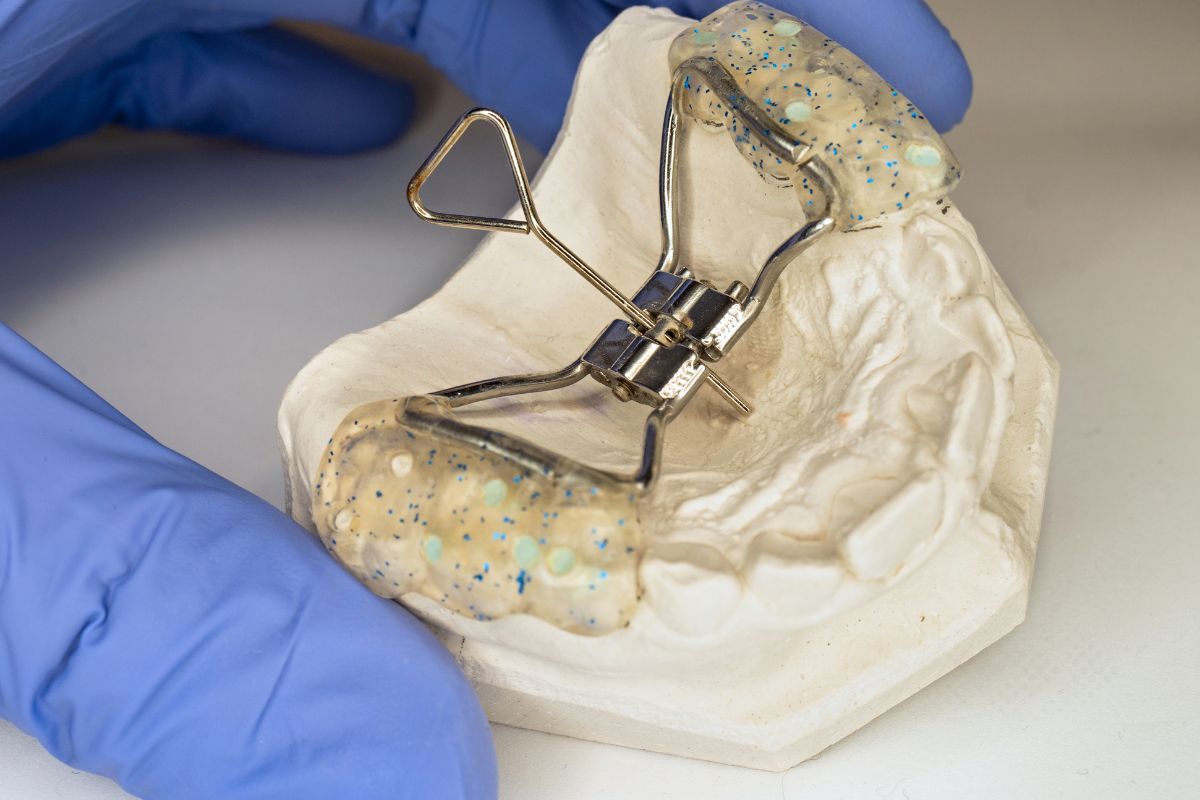
- Suggest habit-breaking appliances if necessary.
- Provide guidance tailored to your child’s needs.
Children benefit from early consultations because many local dental offices offer advanced tools for monitoring dental growth. So book an appointment with us to fix this issue and protect your child’s oral health.
Helping Kids Break the Habit: Quick Tips for Parents
- Keep a calm and encouraging attitude.
- Talk openly with your child about why stopping matters.
- Avoid harsh punishments that may increase anxiety.
- Consider bedtime gloves or thumb covers if needed.
- Seek dental advice if progress stalls.
Protect Your Kid’s Teeth from Future Issues
If you’re worried about your child’s thumb-sucking habit or want expert guidance, Crabapple Pediatric Dentistry & Orthodontics is here to help. Our friendly team can evaluate your child’s oral health and provide personalized recommendations. Don’t wait for dental problems to develop. Visit us today or schedule an appointment online to give your child the best start for a healthy smile.