770-664-1999

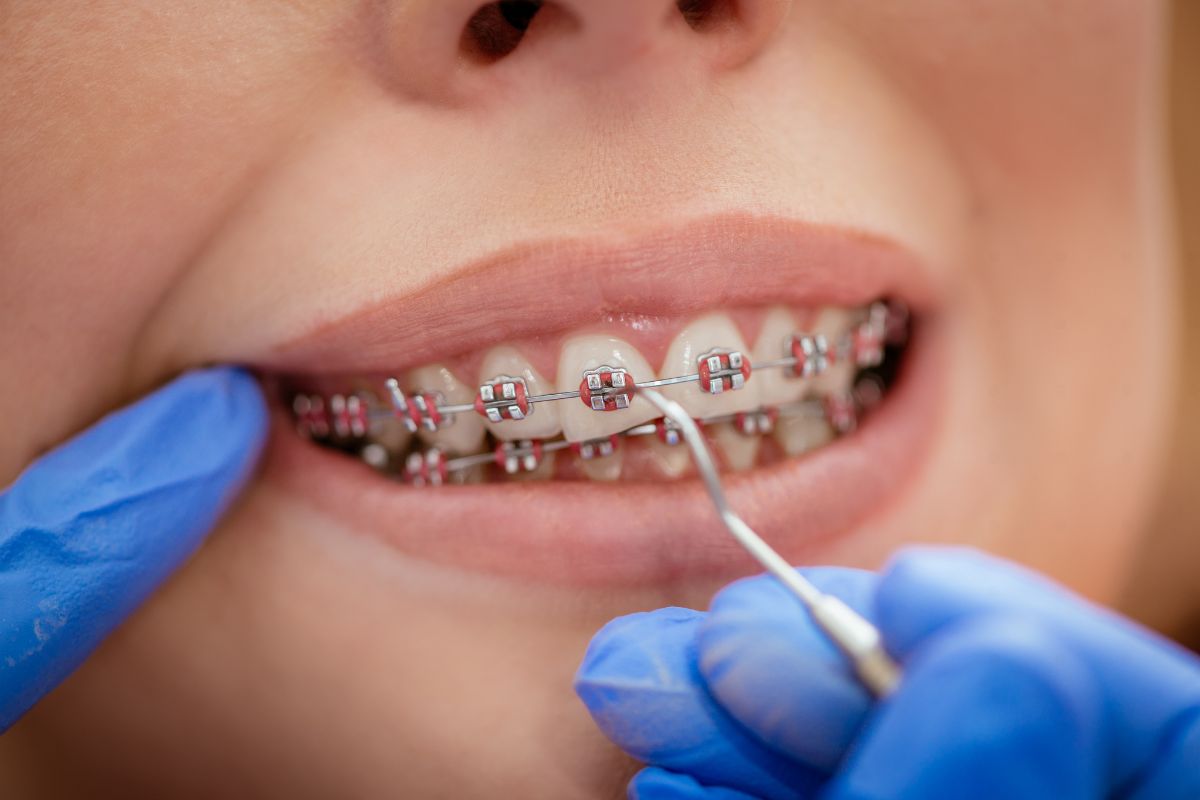
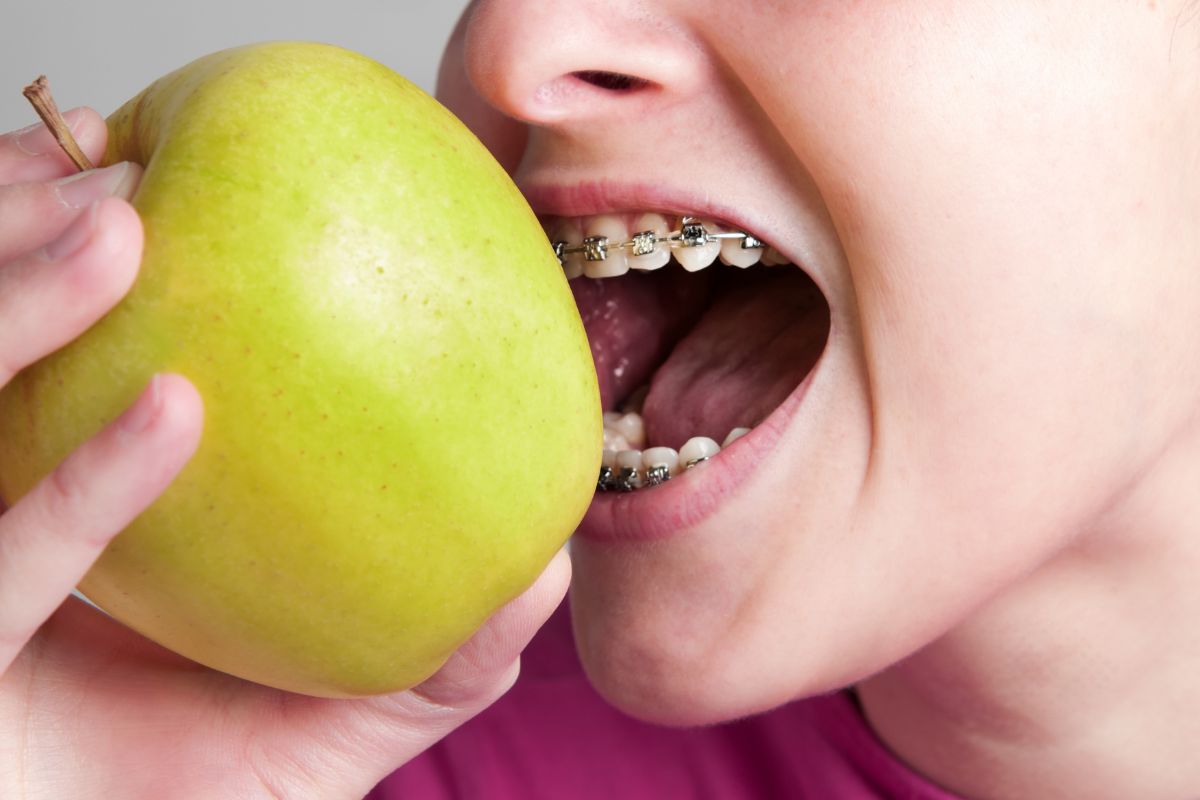
If you have ever wondered, does my child need braces, you are not alone. Many parents ask this question as their children grow. At Crabapple Pediatric Dentistry & Orthodontics in Alpharetta, families often want to know whether crooked teeth or bite problems require early care. The good news is that recognizing the signs early can make treatment easier and more effective.
Every child develops at a different pace. Some children have naturally well-aligned teeth, while others may develop spacing, crowding, or bite issues as their permanent teeth come in. Knowing what to watch for can help you make informed decisions and protect your child’s smile for years to come.
Why Early Orthodontic Evaluations Matter
Children’s teeth and jaws continue to grow throughout childhood. Because of this, orthodontists can often identify developing problems before they become more serious. Early evaluations do not always mean your child will start treatment immediately. Instead, they allow your orthodontist to monitor growth and recommend the best time for treatment if needed.
According to the team at Crabapple Pediatric Dentistry & Orthodontics, early orthodontic evaluations can help detect alignment and bite concerns while the jaw is still developing. This may reduce the need for more complex treatment later in life.
Common Signs Your Child May Need Braces
Parents often notice changes before children complain about them. Therefore, watching for these signs can help you schedule an orthodontic evaluation at the right time.
Crooked or Crowded Teeth
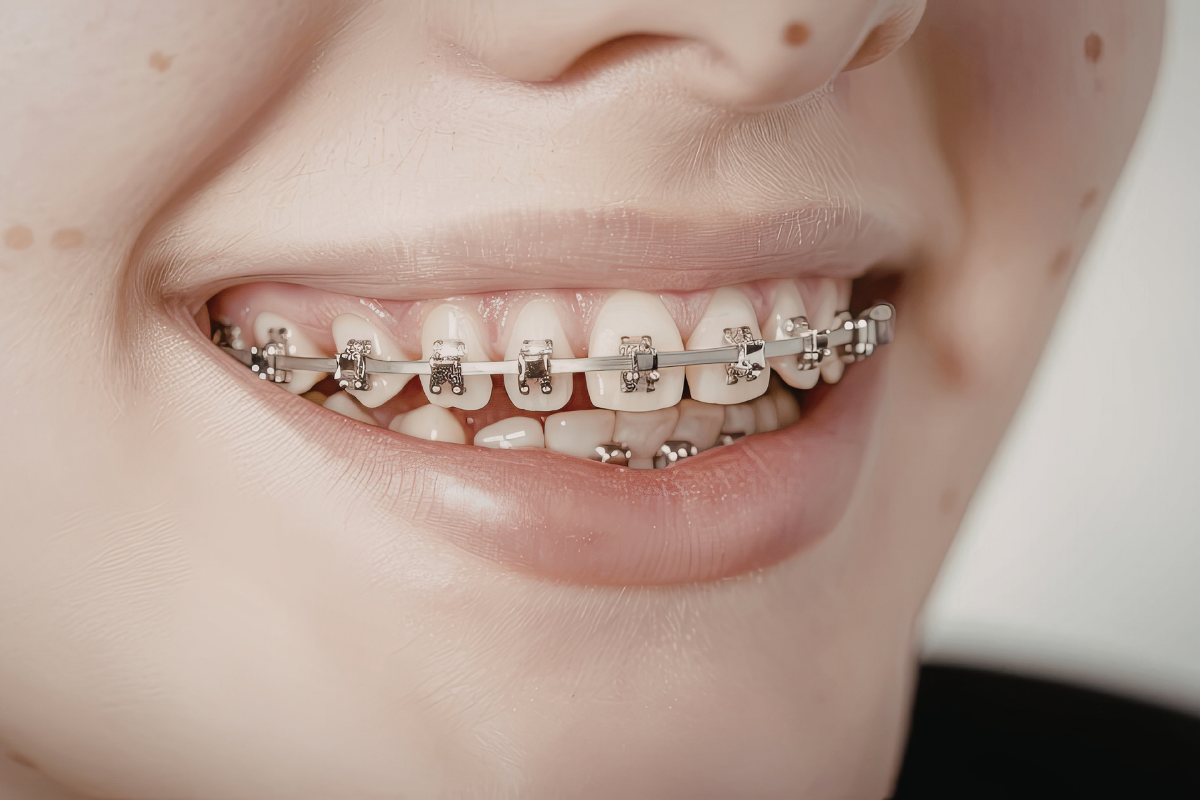
One of the easiest signs to recognize is crowded or overlapping teeth. When permanent teeth do not have enough room, they may twist, overlap, or grow at unusual angles.
Crowded teeth can also make brushing and flossing more difficult, increasing the risk of cavities and gum problems.
Gaps Between Teeth
While small gaps are common during development, large spaces between teeth may indicate alignment issues. Your orthodontist can determine whether these gaps will close naturally or require treatment.
After noticing these concerns, many parents ask whether their child need braces. If your family is considering braces treatment in Alpharetta, Dr. Javid Yavari at Crabapple Pediatric Dentistry & Orthodontics creates personalized treatment plans based on each child’s unique dental growth and bite development. His goal is to help every child achieve a healthy, confident smile through timely orthodontic care.
Bite Problems
Your child’s bite should allow the upper and lower teeth to fit together comfortably.
Some common bite issues include:
- Overbite
- Underbite
- Crossbite
- Open bite
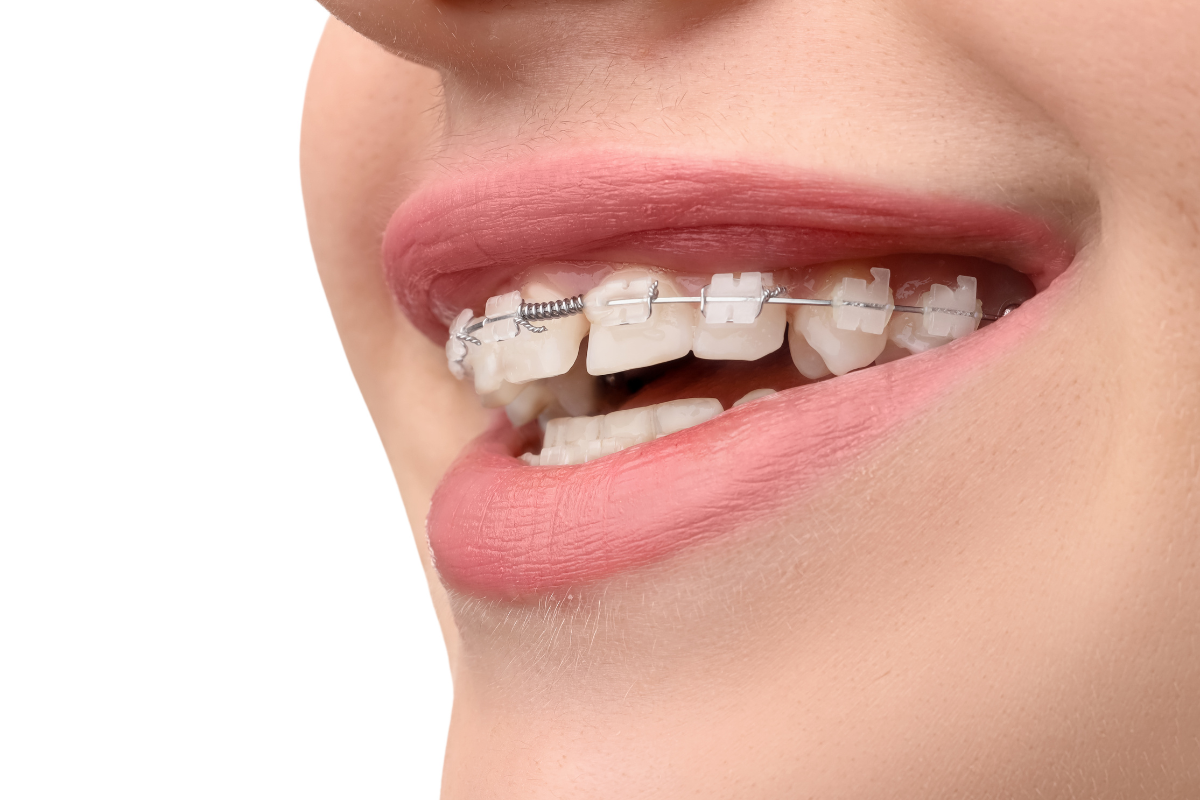
These problems may affect chewing, speaking, and long-term oral health if left untreated.
Other Warning Signs Parents Should Watch
Not every orthodontic problem is easy to see. Sometimes, daily habits provide important clues.
Difficulty Chewing Food
If your child struggles to bite into food or frequently chews on only one side, their bite may not be functioning properly.
Mouth Breathing
Constant mouth breathing may contribute to jaw development issues in some children. Although several medical conditions can cause mouth breathing, it is worth mentioning during your dental visit.
Thumb Sucking Beyond Early Childhood
Thumb sucking is normal for babies and toddlers. However, continuing this habit after the permanent teeth begin to appear may affect jaw growth and tooth alignment.
Speech Difficulties
Some bite problems can make it harder for children to pronounce certain sounds clearly. If speech concerns appear alongside crooked teeth, an orthodontic evaluation may be helpful.
Teeth Grinding
Grinding teeth during sleep may place extra pressure on developing teeth and jaws. While occasional grinding is common, frequent grinding deserves professional evaluation.
When Should Your Child See an Orthodontist?
Many parents believe orthodontic care begins during the teenage years. However, professional organizations recommend an orthodontic evaluation around age seven.
At this age:
- Adult teeth have started to erupt.
- Jaw growth can be evaluated.
- Hidden bite problems become easier to identify.
- Future treatment can be planned if necessary.
An early evaluation does not automatically mean braces are needed right away. Instead, it gives your orthodontist valuable information about your child’s development.
What Happens During the Orthodontic Evaluation?
Parents often worry that the first orthodontic appointment will be overwhelming. Fortunately, the process is simple and comfortable.
During the visit, your orthodontist may:
- Examine your child’s teeth and jaw alignment.
- Evaluate how the upper and lower teeth fit together.
- Review dental growth patterns.
- Take digital images if needed.
- Discuss whether monitoring or treatment is appropriate.
Dr. Javid Yavari believes every treatment plan should be as unique as each patient’s smile. His personalized approach helps families understand every recommendation before making treatment decisions.
Does Every Child With Crooked Teeth Need Braces?
No.
Some alignment concerns improve naturally as children continue growing. Others require orthodontic treatment to prevent future complications.
Several factors influence the decision, including:
- Severity of crowding
- Jaw development
- Bite alignment
- Space for permanent teeth
- Overall oral health
This is why professional evaluation is far more reliable than trying to judge based on appearance alone.
Benefits of Early Braces When Needed
If treatment begins at the appropriate time, children may experience several long-term benefits.
Better Oral Health
Straight teeth are easier to brush and floss, helping reduce plaque buildup.
Improved Bite Function
Proper alignment allows children to chew comfortably and speak more clearly.
Greater Confidence
A healthy smile often helps children feel more confident at school, during sports, and in social situations.
Reduced Risk of Future Problems
Early treatment may lower the chances of severe crowding, jaw complications, or more extensive orthodontic procedures later.
Tips for Parents
You can support your child’s developing smile with a few simple habits.
- Schedule regular dental checkups.
- Watch how permanent teeth are erupting.
- Pay attention to chewing or speech difficulties.
- Mention thumb sucking or teeth grinding to your dentist.
- Do not wait until all permanent teeth appear before asking questions.
Early awareness often leads to better outcomes.
Knowing the answer to does my child need braces starts with recognizing the early signs. Crooked teeth, crowding, bite problems, speech concerns, and prolonged thumb sucking can all indicate that an orthodontic evaluation is a good idea. Fortunately, an early assessment does not always mean immediate treatment. Instead, it provides valuable guidance that helps your child enjoy a healthier smile as they grow.
If you have concerns about your child’s smile, schedule an appointment with Dr. Javid Yavari at Crabapple Pediatric Dentistry & Orthodontics. We invite you to visit our dental office in Alpharetta to learn whether orthodontic treatment is right for your child and take the first step toward a confident, healthy smile.