770-664-1999

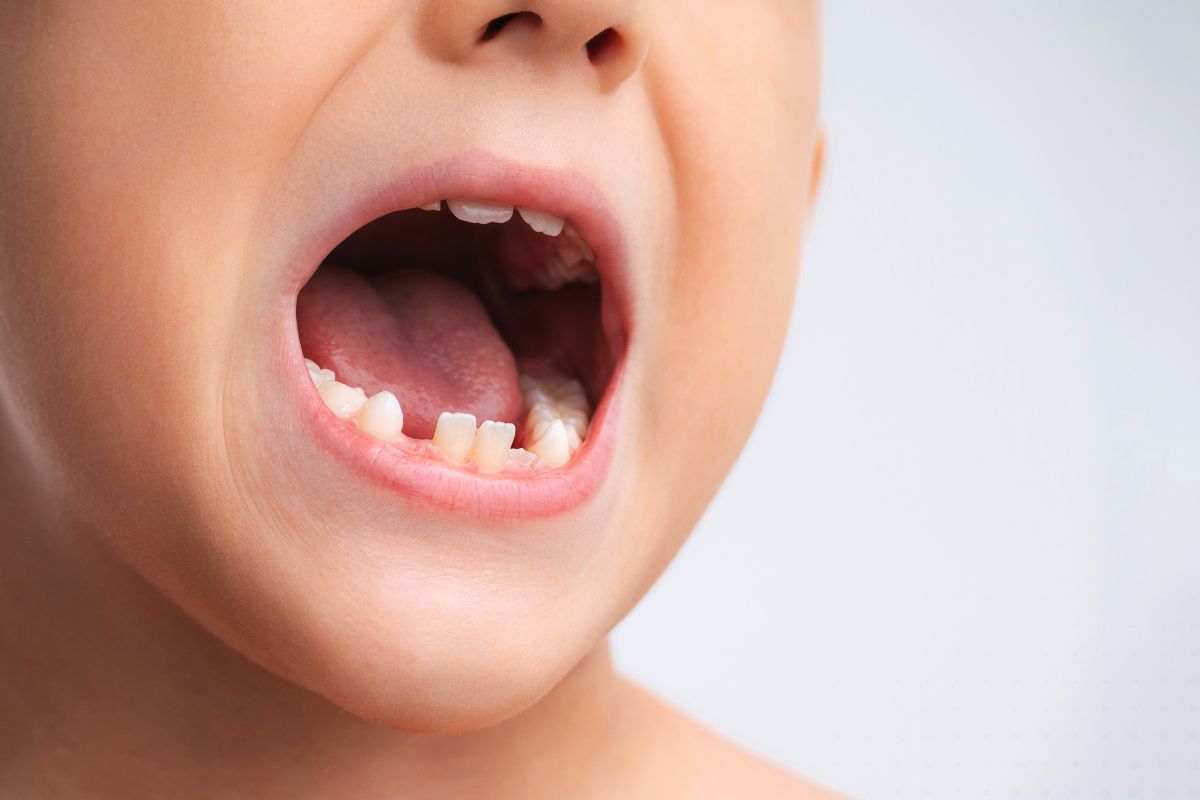
Early loss of baby teeth can raise questions about whether a child’s permanent teeth will come in straight. Baby teeth do more than help children chew and speak. They also hold space for the permanent teeth developing beneath the gums. At Crabapple Pediatric Dentistry & Orthodontics in Alpharetta, parents can learn why a baby tooth may fall out early and when a dental evaluation can help protect a child’s developing smile.
A baby tooth falling out at the expected age is usually part of normal development. However, losing one much earlier because of decay, injury, or another problem may affect the space available for a permanent tooth. The outcome depends on which tooth the child loses, the child’s age, and the stage of dental development.
Why Baby Teeth Matter for Permanent Tooth Alignment
Baby teeth serve as guides for the permanent teeth that will replace them. Each tooth has a role in chewing, speech, and maintaining the spacing of the developing dental arch.
When a baby tooth falls out naturally, the permanent tooth often follows according to its developmental schedule. However, when the baby tooth disappears too soon, nearby teeth may move into the open space.
For example, a neighboring tooth may tilt or drift toward the gap. As a result, the permanent tooth may have less room to erupt in its expected position.
If you need guidance from an Alpharetta pediatric dentist, a dental examination can help determine whether early tooth loss requires monitoring or a plan to preserve space.
What Causes a Child to Lose Baby Teeth Too Early?
Baby teeth usually loosen and fall out as their permanent replacements develop. Nevertheless, several problems can cause a tooth to come out before its expected time.
Tooth decay
Untreated cavities can weaken a baby tooth. In severe cases, decay may cause pain, infection, or damage that requires the dentist to remove the tooth.
Baby teeth still need proper care even though they eventually fall out. Therefore, brushing with fluoride toothpaste, limiting frequent sugary snacks, and attending regular dental visits can help reduce the risk of early tooth loss.
Dental injuries
Falls, sports accidents, and playground injuries can damage baby teeth. Depending on the injury, a tooth may loosen, break, move out of position, or require removal.
After an injury, contact a dental professional for advice. Do not assume that a baby tooth needs no attention because a permanent tooth will eventually replace it.
Infection or other dental problems
Sometimes, infection or damage around a tooth makes removal necessary. In other cases, the dentist may recommend a different treatment to preserve the tooth.
The right decision depends on the tooth’s condition and the child’s overall dental development. Parents should ask what the treatment means for spacing and follow-up care.
How Early Tooth Loss Can Affect Permanent Teeth
Not every early loss leads to crooked permanent teeth. However, the timing and location of the missing tooth can influence what happens next.
Reduced space for permanent teeth
When a baby molar disappears early, the neighboring teeth may drift into the gap. Consequently, the permanent tooth that should occupy that space may have difficulty erupting into a suitable position.
The amount of movement varies. Some children maintain enough space naturally, while others develop crowding that needs professional attention.
Crowding or overlapping teeth
If the available space decreases, permanent teeth may erupt at an angle or overlap nearby teeth. This can make brushing and flossing more difficult.
However, crowding can also result from jaw size, tooth size, and inherited traits. Early tooth loss is only one possible factor.
Changes in the bite
A missing baby tooth may affect how neighboring teeth meet. Depending on the location and timing, the child may develop an uneven bite or altered contact between the upper and lower teeth.
These changes do not occur in every child. Regular evaluations help identify whether the bite is developing as expected.
Delayed or unusual eruption
Sometimes, a permanent tooth does not appear when parents expect it to. Early tooth loss may contribute to spacing changes, but delayed eruption can have other causes.
A dentist can assess the child’s age, dental history, and tooth development. If needed, dental imaging may help determine the position of a permanent tooth.
Does Every Child Need a Space Maintainer?
A space maintainer is an appliance that helps preserve the gap left by a missing baby tooth. It may be useful when nearby teeth could drift and reduce the room needed by the permanent replacement.
However, space maintainers are not necessary after every early tooth loss.
The dental team may consider:
- Which tooth is missing: Some teeth play a greater role in maintaining space than others.
- The child’s age: The time remaining before the permanent tooth erupts can affect the decision.
- The stage of development: The dentist considers whether the replacement tooth is close to emerging.
- Existing crowding: The amount of available space may influence the recommendation.
- Oral hygiene and cooperation: The child must be able to maintain the appliance and attend follow-up visits.
If a space maintainer is appropriate, the dental team explains how it works and how to care for it. Parents should report looseness, breakage, or discomfort rather than trying to repair the appliance at home.
What Parents Should Do After Early Baby Tooth Loss
If your child loses a baby tooth unexpectedly, arrange a dental evaluation, especially if decay, pain, or an injury caused the loss.
Meanwhile, you can support your child’s oral health with a few practical steps:
- Keep the area clean: Help your child brush gently around the gap.
- Follow aftercare instructions: If a dentist removed the tooth, follow the advice provided for healing.
- Watch for symptoms: Report swelling, persistent pain, or signs of infection.
- Maintain regular visits: The dentist can monitor the space and the development of nearby teeth.
- Avoid predicting the outcome: A gap does not automatically mean the permanent teeth will be crooked.
If the tooth came out after an accident, contact a dentist promptly for guidance. Severe bleeding, facial injury, or significant pain may require urgent assessment.
Can Early Dental Care Reduce Future Alignment Problems?
Early dental care cannot guarantee perfectly straight permanent teeth. Still, it can help the dental team identify preventable problems and make timely decisions.
For example, treating decay may preserve a baby tooth when appropriate. If removal becomes necessary, the dentist can assess whether the child needs a space maintainer or closer monitoring.
Additionally, routine visits allow the team to track how permanent teeth emerge. If crowding or a bite concern develops, the dentist can explain whether an orthodontic evaluation may help.
Parents should remember that every child’s mouth develops differently. Therefore, a personalized plan is more useful than comparing a child’s tooth timeline with a sibling’s or friend’s.
Baby teeth help maintain space for permanent teeth, so losing them too early can sometimes affect alignment. However, the impact depends on the tooth involved, the child’s development, and whether neighboring teeth move into the gap. A dental evaluation can help determine whether simple monitoring or a space-preserving treatment is appropriate.
For advice about your child’s dental development, contact Crabapple Pediatric Dentistry & Orthodontics in Alpharetta and Schedule your appointment to discuss early baby tooth loss and permanent tooth alignment.